How most of your conferences will work in literary studies:
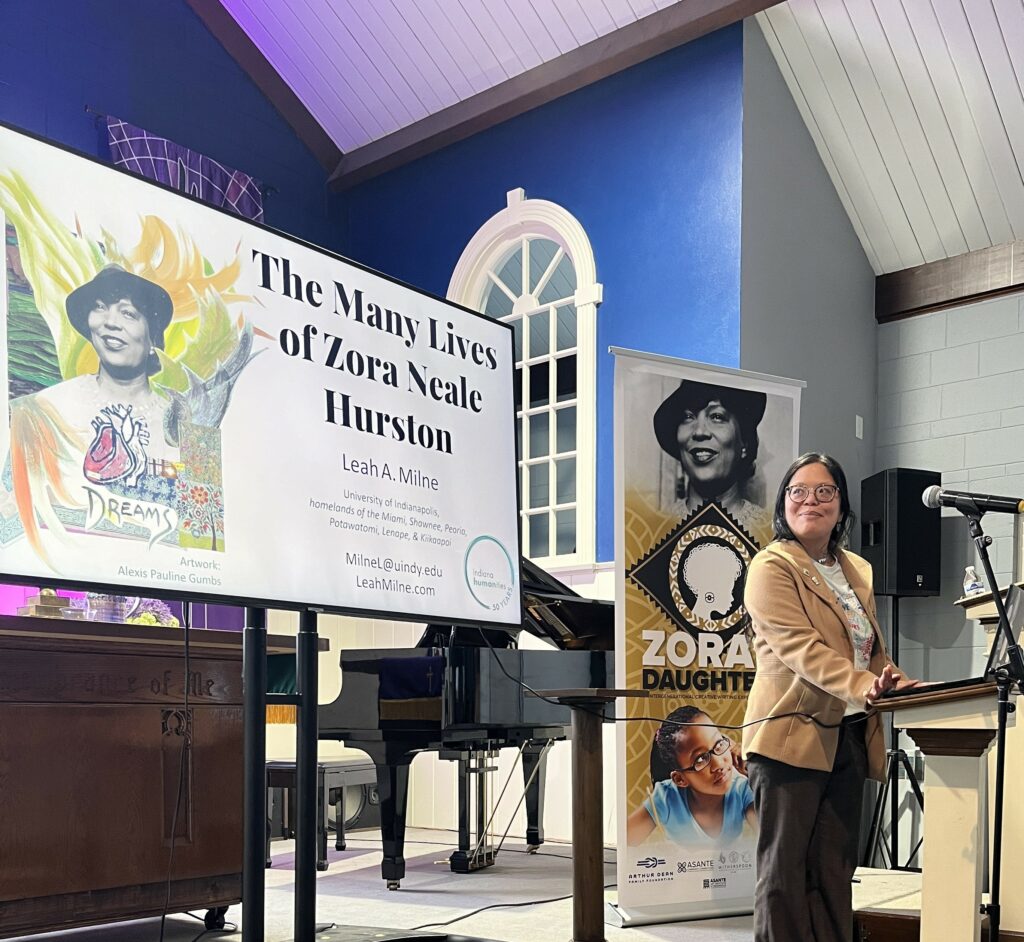
The typical format of most literary studies conferences (such as the American Literature Association, the Multi-Ethnic Literature of the US conference, etc. etc.) is that you read – dynamically and with good cheer – from a paper. Many of the conferences will have an option to also have a powerpoint, but not everyone will have A/V access so be sure to ask ahead of time. Every conference is a little different in terms of the scope, level of formality, etc., but usually you are reading this paper as part of a panel, often of 3-4 presenters, or a shorter version as a roundtable (where the length will depend on the number of presenters). Typically you will get somewhere around 10-20 minutes to present your work.

First, things not to do:
- Do not assume everyone has read your primary text. At the same time, spend no more than a few sentences summarizing. Get to your argument quickly and start proving it. Show your work.
- Do not just pick an 8-10 page chunk of your previous paper to read. If you are adapting a shorter talk from a longer paper, you can refer to it during Q&A (“In my longer project, I actually address your question…”) and/or – if necessary – in your brief introduction (“This presentation is part of a longer article that I am working on. I’d appreciate any feedback you can offer.”)
- Do not say “quote unquote” to set off your quotes. That can get annoying. Use inflection, pausing, and good writing to make the line between your words and everyone else’s words clear. If you have the option of a powerpoint, it may be good to include the quote on a slide. In general, avoid long quotes unless absolutely necessary.
- Do NOT go over your time! Estimate about 2 minutes of reading per double-spaced 12-pt Times New Roman page. Check with the panel chair/moderator to see how long you have, and then practice. You don’t want to be the jerk who takes away from everyone else’s time because you spoke too long! 🙂

Finally, things you should do:
- Keep your sentences short and simple. Unlike regular papers, complex and complicated sentences won’t work. People are listening to you read, which takes concentration. Make it as easy for them as possible.
- Speaking of which, give obvious cue words & signposts. Say, “In this paper, I will argue that…” etc. Remind your audience occasionally of what you are arguing and why it is important. Because this is oral, you will want to signpost these reminders even more than you do in your written essay.
- Choose the strongest points. Especially if you are adapting a longer paper, you will want to pick the best parts of your paper. If you have a short amount of time, focus on only one text.
- If necessary, adapt your revision to the conference theme or the panel theme. I hope that you did this when you proposed your presentation in the first place, but audiences can tell if you are trying to shoehorn an unrelated topic into a panel. It may only take a tiny bit of extra work to adapt your paper to the panel/conference theme, and you’ll find many happy accidents that will further connect your panel’s presentations if you do so.
- Especially if you are not presenting an extemporaneous speech or PowerPoint, etc., it is important to keep your audience engaged. Do not just read mechanically, without looking at the audience. Make eye contact, read their body language, adapt if they look bored. Stay excited about what you are reading. It’s okay to interrupt yourself to further explain something if it seems necessary. Have fun!
- Have a clear introduction and a strong and memorable conclusion. End with a “thank you.” Smile.
- Conferences are for networking! If possible, arrange ahead of time for your fellow presenters and/or the panel chair to celebrate afterwards with coffee or dinner. Attend other panels and ask questions. Thank the presenters after the talk and exchange info. Get to know people from other schools. Who knows? You may make a new friend, meet a future colleague, or discover a new opportunity! 🙂
You can find some of the conferences I regularly attend on my CV. For a conference that also became a published article, click here.

